

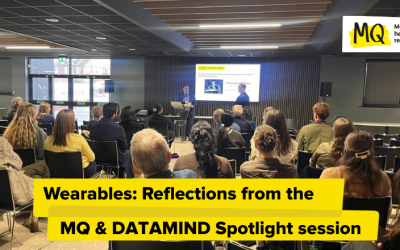
What can everyday patterns tell us about mental health, and what does it take to study them well?
On the 9th October in Sheffield, the UKRI Mental Health Platform hosted its annual Mental Health Summit. MQ and DATAMIND brought together experts in mental health data to share their knowledge and experience with early-career researchers. In this blog, Hala Rachidi, Research Funding and Programme Lead at MQ, shares her reflections on the two-day event.
Why Are Mental Health Conditions Lasting Longer?
New research from the Netherlands suggests that anxiety, mood and substance use conditions are lasting longer than they did 12 years ago, highlighting growing challenges around treatment and long-term recovery.

Why Breakups Can Increase Suicide Risk Among Men
A major review of research from around the world has found that men face an increased risk of suicidal thoughts, suicide attempts and death by suicide following the end of a romantic relationship, with the highest risk occurring shortly after separation.

Why Did Health Inequalities Persist for People With Severe Mental Illness During COVID-19?
People with severe mental illness remained at significantly higher risk of death following COVID-19 infection throughout the pandemic, despite being prioritised for vaccination, according to new research published in The Lancet Psychiatry.

AI Chatbots Show Promise in Therapy, But Can They Deliver Personalised Care?
New research suggests AI chatbots can demonstrate some of the skills used in cognitive behavioural therapy, but their inconsistent performance raises questions about whether they can safely and effectively provide personalised mental health care.

Could 3MDR Offer a New Approach to Treating PTSD?
A study of Canadian military veterans, public safety personnel and healthcare workers found that an innovative trauma therapy reduced symptoms of PTSD, depression and anxiety, with improvements lasting up to a year after treatment.
Is ADHD really a myth? What does the evidence say?
The documentary ‘The Great ADHD Myth’ suggests ADHD is a ‘social construct’. However, experts point out that facts and evidence was excluded from the programme.
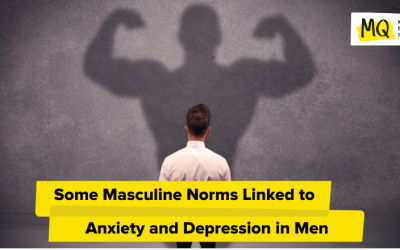
Some Masculine Norms Linked to Anxiety and Depression in Men
New research suggests that certain traditional expectations around masculinity, particularly emotional suppression and extreme self-reliance, may be linked to difficulties processing emotions and higher levels of anxiety and depression.
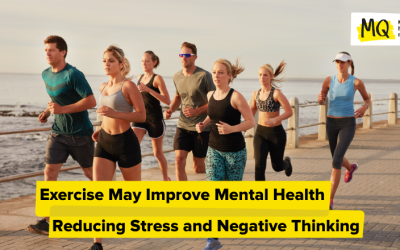
How Exercise May Improve Mental Health by Reducing Stress and Negative Thinking
New research suggests that exercise may improve symptoms across several mental health conditions by reducing perceived stress and repetitive negative thinking.
Open Minds Podcast
Most Watched Episodes
Can Genetics Help Us
Understand Mental Health?
with Andrew McIntosh
What's Holding Back
Global Mental Health Care?
with Daisy Singla
Understanding Trauma
with Prof Orla Muldoon