This study will look at whether psychiatric treatment can help children that have suffered from traumatic experiences.

Can Psychiatric Treatment Change The Development Of Emotion-related Brain Circuits In Trauma-exposed Youth?
read more


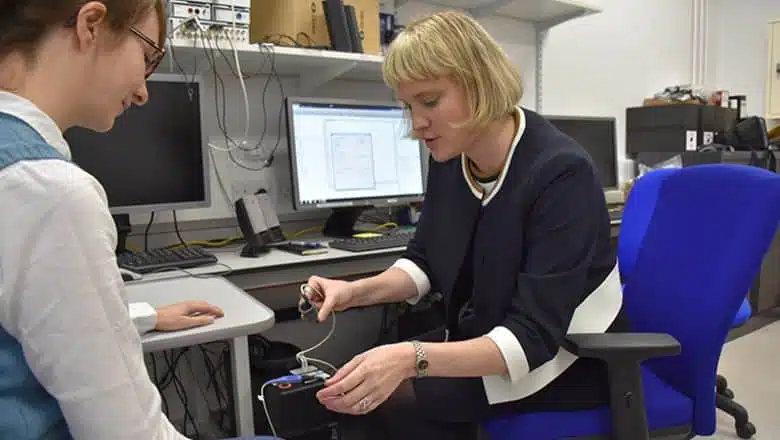
Research has shown that our perception of our body’s functions, like our heart rate, affects our emotions.
In general, we feel more anxious when we think our heart is racing. Faster heartbeats occur in fear responses controlled by the ‘fight or flight’ nervous system.
Hypermobility affects a staggering 20% of the population. Anxiety is generally very common, but is really common among this group of people with hypermobility, where joints move beyond a normal range of motion. The experience of anxiety is greater and more frequent in people living with this condition than in the general population.
Dr Jessica Eccles can explain this increase in anxiety by the fact that people with hypermobility are more sensitive to bodily feelings, such as changes in sensations like heart rate. People with hypermobility may also be more likely to experience faster heart beats because of a more reactive ‘fight or flight’ nervous system, which may be related to a condition called Postural Tachycardia Syndrome.
The link between hypermobility and anxiety has been recognised for some years, but no specific targeted treatments are available at present.
The aim was to develop and test a new intervention Altering Dynamics of Autonomic Processing Therapy (ADAPT) for reducing anxiety in people with joint hypermobility, a common but often overlooked condition that is associated with increased risk of anxiety and neurodivergent characteristics.
Jessica conducted a randomised controlled trial of ADAPT, a new therapy that aims to directly target anxiety in hypermobility.
To see if her intervention works, Jessica ran a pilot trial with people living with anxiety and hypermobility. Half were given the new therapy and half were given a more standard treatment for anxiety called Emotion-Focused Support Therapy (EFST). This trial will enable Jessica to test how effective the new therapy is, compared to what is already available.
Participants were recruited online, screened for eligibility, and randomly assigned to either intervention. Both interventions were delivered remotely due to COVID-19 constraints.
This project was jointly funded with Arthritis Research UK.
Scientific Findings: The cross-sectional study found that the number of connective tissue features predicted sensory sensitivities and neurodivergent characteristics, with autonomic reactivity mediating these relationships. The RCT showed that both ADAPT and EFST significantly reduced anxiety, with ADAPT also improving interoceptive trait prediction error (a potential mechanism for anxiety reduction). Both interventions were feasible, acceptable, and maintained their effects at follow-up. No adverse reactions were reported.
Further Funding: The research has led to further funding, including major grants from the Wellcome Trust and Medical Research Council for related projects.
Commercialisation: There are plans for commercialisation related to the ADAPT intervention.
You can read more about this work in this blog that explains the links between neurodiversity and hypermobility, or in this blog which explains the link between anxiety and hypermobility.
For People with hypermobility and anxiety: The project enhances understanding and recognition of joint hypermobility and its relationship to neurodivergence and anxiety. It is hoped this will inform better clinical pathways and policy within the NHS, ultimately improving care for hypermobile Individuals
Societal and Policy Impact: The research has raised awareness through extensive public engagement and the lead investigator’s role in professional organisations. Although it has not yet influenced clinical guidelines, the groundwork has been laid for future impact, including the development of new treatment pathways and ongoing dissemination through talks, media, and further research;
Patient and Public Involvement: Regular involvement of people with lived experience has shaped the research and its outputs, ensuring relevance and accessibility.

Dr Jessica Eccles is a Consultant in SPFT Neurodevelopmental Service and lectures at Brighton and Sussex Medical School. Her main areas of expertise are brain-body interactions, joint hypermobility and liaison psychiatry.
This study will look at whether psychiatric treatment can help children that have suffered from traumatic experiences.

A study to improve the prediction accuracy of individual suicidal risk across different demographics, therefore enhancing screening programmes

If successful, this project could offer a new evidence-based treatment approach for adolescent anxiety that empowers parents.