At a glance
- Some masculine norms may affect mental health: Emotional suppression, extreme self-reliance, prioritising work and the pressure to win were linked to greater difficulty identifying and describing emotions.
- Emotional processing matters: Difficulty recognising emotions was associated with poorer emotion regulation, which was then linked to higher levels of anxiety and depression.
- Masculinity is not one-size-fits-all: The study found that some traditional masculine norms were neutral or even protective, suggesting mental health support should focus on specific harmful expectations rather than masculinity as a whole.
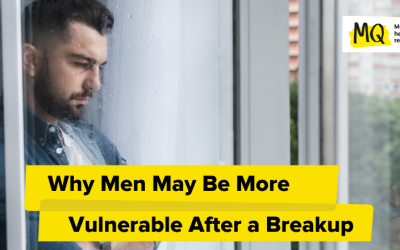
New research suggests that certain traditional expectations around masculinity, particularly emotional suppression and extreme self-reliance, may be linked to difficulties processing emotions and higher levels of anxiety and depression.
Understanding masculinity and mental health
Traditional ideas about masculinity are often discussed in relation to men’s mental health, but these expectations are not all associated with poorer outcomes. A new study published in Sex Roles suggests that the relationship is more complex, with some masculine norms appearing harmful, while others may have a neutral or even protective effect.
Researchers have previously found that men are less likely to seek professional psychological help and more likely to leave therapy early than women. The new study aimed to understand whether particular expectations around masculinity could help explain some of these differences.
How emotional processing may play a role
The researchers focused on two psychological factors: alexithymia and emotion regulation. Alexithymia refers to difficulty identifying and describing emotions, while emotion regulation involves the ability to understand and manage emotional responses.
The researchers suggest that expectations encouraging boys and men to hide vulnerability or remain entirely self-reliant may limit opportunities to develop these emotional skills. Over time, this could make it more difficult to recognise and process distress.
To investigate this, the team surveyed 740 men from the United States and the United Kingdom, aged between 22 and 80. Participants completed questionnaires measuring their adherence to ten traditional masculine norms, as well as their levels of alexithymia, emotion regulation difficulties, depression, anxiety and stress.
Not all masculine norms have the same impact
The findings showed that four masculine norms were particularly associated with higher levels of alexithymia: prioritising work, extreme self-reliance, the desire to win and strong emotional control.
Men who more strongly endorsed these expectations were more likely to report difficulty recognising and describing their emotions. These difficulties were then associated with poorer emotion regulation and, in turn, higher levels of anxiety and depression.
However, other masculine norms did not show the same relationship. Men who placed greater importance on pursuing status, for example, actually reported lower levels of alexithymia and fewer internalising symptoms. Norms around risk-taking and heterosexual self-presentation were not associated with poorer emotional processing.
The findings therefore suggest that masculinity should not be treated as a single, inherently harmful concept. Different expectations can have very different relationships with mental health.

What could this mean for mental health support?
The researchers suggest that difficulties identifying emotions could be an important target for mental health interventions. Helping men develop the ability to recognise and describe their emotions may make it easier for them to regulate distress and could potentially improve the effectiveness of psychological treatment.
The findings may also have implications beyond clinical settings. Teaching children how to identify and communicate emotions from an early age could help develop healthier emotional skills before difficulties become established in adulthood.
The researchers also highlight the complicated role of emotional control. Suppressing emotions may sometimes reduce distress in the short term, but if this prevents people from understanding their emotions, it could ultimately make it harder to manage psychological difficulties over time.
Limitations and next steps
The study cannot establish that masculine norms directly cause anxiety or depression because the researchers collected the data at a single point in time. It is also possible that existing mental health difficulties influence how people view or report their adherence to masculine expectations.
The research relied on self-reported questionnaires and focused on men from the US and UK. Future studies could use clinical assessments and explore whether the same patterns occur across different cultural and socioeconomic backgrounds.
Overall, the findings suggest that understanding men’s mental health requires a more nuanced view of masculinity. Rather than treating traditional masculine values as universally harmful, identifying the specific expectations that make it harder to recognise and manage emotions could help inform more effective and targeted support.
How You Can Support Us
Donate

Donate towards the improvement and prevention of mental illness.
Fundraise

Raise money for mental health research by organising a fundraising event.
Subscribe

Keep up with latest updates in the world of mental health research.