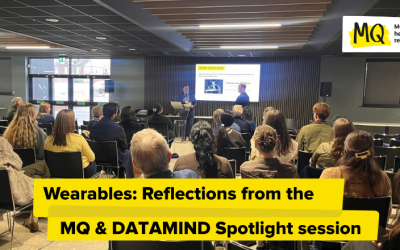
Recently MQ launched a new report at the offices of PWC, examining the impact of internet use on children and young people’s mental health.
This report, which was produced in collaboration with Melbourne University, Harvard’s Digital Psychiatry Institute and researchers from the Oxford internet Institute is a comprehensive review of the existing research into the effects of gaming, social media use and other internet use on mental health.
The report found that it’s not so much the amount of time young people spend online that determines their mental health outcomes, but the experiences they are having online.
Additionally, the report found that a key consideration for parents is to look at what spending time online is replacing. For example if spending time on social media is replacing sleep or time spend socialising face to face, then that can have negative effects on mental health. But if it is replacing time ruminating or providing social contact for a child who is otherwise isolated then it can have positive effects.
The report makes a number of recommendations, such as encouraging but tech firms to build in safeguards to their platforms to prevent children from becoming addicted to social media, gambling and to protect them from seeing harmful content.
These findings were discussed by the panel at the launch event, made up of researchers, charity representatives and people with lived experience.

The report was funded by the Prudence trust, and was launched at the offices of PWC in London.
We were privileged to host MQ Mental Health Research (MQ) for the launch of their important report on the effects of the internet on the mental health of young people. MQ's evidence-based approach aligns with PwC and we are excited about the potential to support one of the key recommendations from the report. This collaboration underscores our commitment to fostering mental health solutions grounded in robust data and impactful research.
David Adair, Director of Community Engagement and The PwC Foundation

Read the full report here.
This project was generously funded by The Prudence Trust.