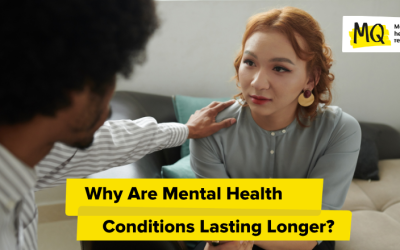
The rise was highest among girls aged 11 to 15, whose admissions more than doubled, and in cases of eating disorders, skyrocketed by over 500%. These wards, known as general acute medical wards, are designed to handle medical issues that need urgent attention but aren’t specific to mental health. However, they are increasingly being used to treat young people with mental health crises, often because they are too unwell or unsafe to go home.
Dr Lee Hudson, one of the senior authors, explained the strain this places on the system:
“Acute medical wards are vital for helping young people with mental health issues, particularly those with physical health complications, like severe weight loss from eating disorders. But the sheer rise in cases is a real challenge for everyone involved—patients, their families, and the staff.”
The researchers are still trying to figure out what’s driving these increases, but they suspect a combination of more young people experiencing mental health difficulties and more severe cases ending up in hospitals. Importantly, the trend started well before the pandemic, so it’s not just a COVID-related issue.
Another concern raised by an independent safety body is that many hospital wards aren’t equipped to deal with mental health emergencies. Some describe their facilities as “unsafe” for patients with high-risk behaviours. Some staff have also report struggling with limited resources, poorly designed spaces, and the emotional toll of managing these cases.
Hudson added,
“This isn’t something that’s going away. We need better coordination between hospital teams, mental health professionals, and community services to ensure these young patients get the care they need.”
Future research must delve deeper into why these admissions are happening and how to improve care for the thousands affected.