

Tackling mental illness
Our Research ProjectsOur world-class researchers are working tirelessly to better understand, diagnose and treat mental illness.
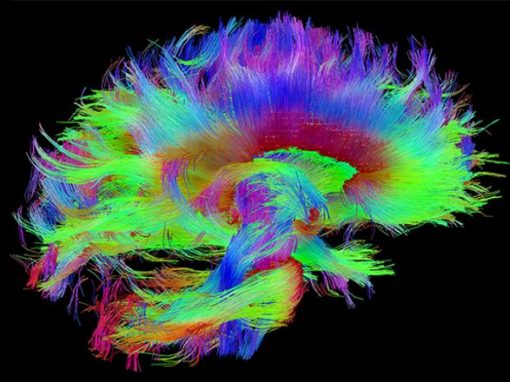
What Happens in the Brain When Symptoms of Schizophrenia Arise?
Principal investigator:Dr Petra Vértes
Dr Petra Vértes is looking at what’s going on in the brain when symptoms of schizophrenia first arise so we can create novel targeted treatments.
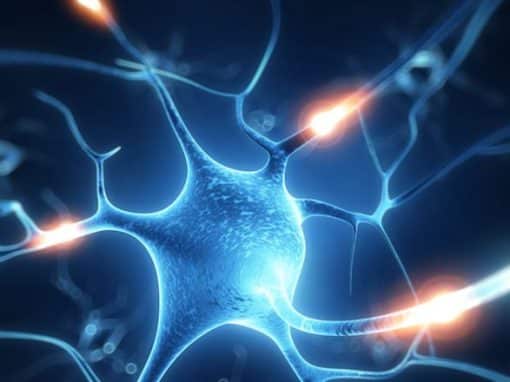
Do Stronger Brain Connections Improve Mental Health Care?
Principal investigator:Dr Patrick Rothwell
Dr Patrick Rothwell is investigating whether strengthening the connections in the brain can help us develop better mental health treatments.
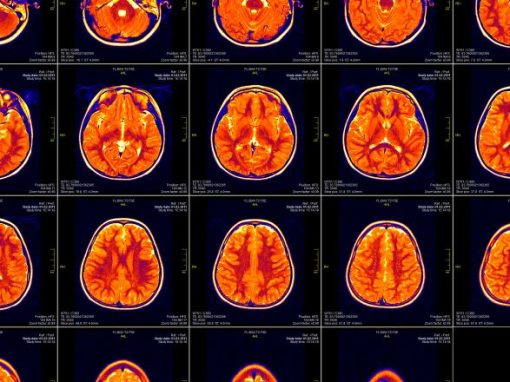
What Brain Patterns Reveal About Mental Health
Principal investigator:Dr Martijn van den Heuvel
Can patterns in the brain show the differences between mental health conditions – and speed up diagnosis and treatment?
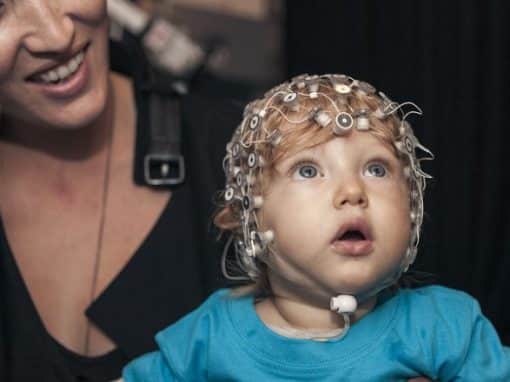
Eye Tracking Techniques to Help Infants at Risk of Developing ADHD
Principal investigator:Mark Johnson
Can state of the art eye tracking techniques help young children at a higher risk of developing ADHD?

Helping the Mental Health Needs of Young Travellers
Principal investigator:Professors Louise Condon and Ann John
Professors Louise Condon and Ann John want to identify the specific mental health needs of young Gypsies and Travellers, giving health services the tools to provide better, more targeted support.

The Impact of Social Media Use on Children’s Mental Health
Principal investigator:Professor Liz Twigg
Professor Liz Twigg wants to find out how young people’s mental health is influenced by their parent’s mental health and their relationship with their parents – and if social media could actually help their wellbeing.

Longitudinal Effects of Folate Fortification on the Developing Brain Implications For Schizophrenia Prevention
Principal investigator:Dr Joshua Roffman
New research we’ve funded has linked - for the first time - an increase in consumption of folic acid during pregnancy with changes in children’s brain development. And this was associated with a reduction in the incidence of psychotic symptoms.

Can Online Self-help Programs Help With Social Anxiety?
Principal investigator:Professor John Powell
Many people suffer with anxiety symptoms, such as feeling shy or anxious in social situations. Could online self-help programs provide the tools for them to manage their mental health?
How Are Brain Cells Affected When Traumatic Memories Are Removed?
Principal investigator:Dr Johannes Gräff
Dr Johannes Gräff examined what exposure therapy can teach us about treating post-traumatic stress disorder (PTSD).
Sign up for Research Roundup
We value staying connected with you and keeping you informed about future research-related opportunities including funding, events, and updates. Please fill in the sign-up form if you would like to opt-in. You can unsubscribe at any time. You can also read more in our Privacy Policy.