


Launch of the Atlas of Longitudinal Datasets
Next month, researchers at King’s College London will be launching the Atlas of Longitudinal Datasets; A ground-breaking platform that can facilitate research.

Urgent Letter to Prime Minister on Mental Health
We are writing on behalf of seventeen major organisations working to improve the UK’s mental health to express grave concerns about mental health waiting lists not being prioritised in your Plan for Change and reports that the government may be planning to axe vital safeguards for mental health funding, when despite mental health services providing care to more people than ever, the waiting list is now 1.6 million.
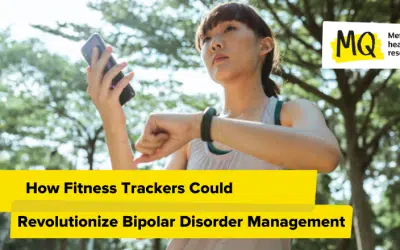
How Fitness Trackers Could Revolutionize Bipolar Disorder Management
A study published in the Journal of American College Health reveals a concerning rise in depression among U.S. higher education students, particularly among those identifying as LGBTQIA+, indicating that they face disproportionate mental health challenges.
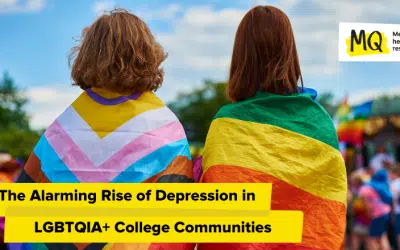
The Alarming Rise of Depression in LGBTQIA+ College Communities
A study published in the Journal of American College Health reveals a concerning rise in depression among U.S. higher education students, particularly among those identifying as LGBTQIA+, indicating that they face disproportionate mental health challenges.

New research finds risk of PTSD 20 times higher for people held in offshore detention
Researchers found refugees in offshore detention face a 20 x greater risk of PTSD and other mental health problems than asylum seekers who were detained onshore
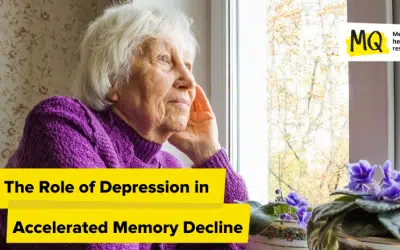
The Role of Depression in Accelerated Memory Decline (and What to Do About It)
A study led by UCL and Brighton and Sussex Medical School, published in JAMA Network Open, reveals a two-way link between depressive symptoms and memory decline in older adults. Analyzing 16 years of data from 8,268 adults in England (average age 64), researchers found that depression and memory impairments seem to reinforce each other over time.

How Alcohol Really Affects Bipolar Disorder Symptoms
Analyzing data from 600 individuals with bipolar disorder over ten years, researchers found that even small increases in drinking can lead to lasting depressive or manic symptoms, regardless of the amount consumed. However, the reverse wasn’t true; an increase in mood symptoms did not predict more drinking, which refutes the common assumption of self-medication.

Mental Health Bill Reform
Today the government has announced its revised mental health bill will be finally put to Parliament. We’ve rounded up responses from the mental health sector.

How At-Home Brain Stimulation Could Help Treat Depression
A new study published in Nature Medicine has found that transcranial direct current stimulation (tDCS), a device delivering a weak electrical current to the brain, is a safe and effective way to treat depression at home.
Open Minds Podcast
Most Watched Episodes
Can Genetics Help Us
Understand Mental Health?
with Andrew McIntosh
What's Holding Back
Global Mental Health Care?
with Daisy Singla
Understanding Trauma
with Prof Orla Muldoon