


What Small Daily Habits Improve Mental Health?
A new study published in the Journal of Medical Internet Research suggests that even brief, low-effort actions can lead to meaningful improvements in well-being. The Big Joy Project, a free, web-based program, asked participants to complete one small positive activity per day for a week. Over 17,000 people completed the program, and researchers found improvements in stress, emotional health, and self-rated physical health, especially among participants from disadvantaged backgrounds.
The Silent Grief of Premature Menopause
Premature menopause can be a life-altering diagnosis. Women who go through it often face not only physical symptoms caused by a lack of estrogen, but also the unexpected loss of fertility — a deeply emotional and social shift that can reshape life plans and personal identity. While some women manage these changes with resilience, others experience a profound psychological impact. A new study published in Menopause, the journal of The Menopause Society, offers insight into why these experiences can vary so widely.
With more than 30% of students globally experiencing bullying, and most youth interacting online, these findings are especially alarming.

Why That Yoga Class Feels Better Than Mopping the Floor
We often hear that exercise is good for our mental health. But according to a new study from the University of Georgia, it’s not just about how much you move, it’s about the why, how, and where that truly make a difference.
While extreme online abuse is often seen as the main threat, the study found that even indirect forms like exclusion from group chats or spreading rumours can be just as damaging.
With more than 30% of students globally experiencing bullying, and most youth interacting online, these findings are especially alarming.
The Lasting Psychological Impact of Childhood Adversity
As concern over adolescent mental health grows, a new national study suggests cyberbullying should be treated as an adverse childhood experience (ACE) — a type of trauma linked to long-term emotional and physical harm.
While extreme online abuse is often seen as the main threat, the study found that even indirect forms like exclusion from group chats or spreading rumours can be just as damaging.
With more than 30% of students globally experiencing bullying, and most youth interacting online, these findings are especially alarming.
What Does the 10-Year Health Plan Mean for UK Mental Health?
At a glance The UK Government have announced a 10-year health plan aiming to transform healthcare by localising services, focus on prevention, and rebuilding the NHS workforce, with significant implications for mental health care. But ultimately, this 10-year health...
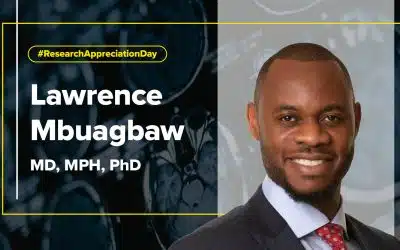
How to Have a Successful Career in Mental Health Research
Associate Professor Lawrence Mbuagbaw shares some advice for early career researchers for building a career in what is often a competitive field.
Growing The Research Workforce
MQ is committed to supporting researchers in order to grow the mental health research workforce and get us closer to the next breakthrough in mental health.
Is Cyberbullying Just Harassment or Childhood Trauma?
As concern over adolescent mental health grows, a new national study suggests cyberbullying should be treated as an adverse childhood experience (ACE) — a type of trauma linked to long-term emotional and physical harm.
While extreme online abuse is often seen as the main threat, the study found that even indirect forms like exclusion from group chats or spreading rumours can be just as damaging.
With more than 30% of students globally experiencing bullying, and most youth interacting online, these findings are especially alarming.

Professor Joseph Hayes appointed Chair of the Data Science Committee
Professor Joseph Hayes is following in the footsteps of Professor Louise Arseneault as chair of the Date Science Committee.
Open Minds Podcast
Most Watched Episodes
Can Genetics Help Us
Understand Mental Health?
with Andrew McIntosh
What's Holding Back
Global Mental Health Care?
with Daisy Singla
Understanding Trauma
with Prof Orla Muldoon